For decades, the fur industry built its business on a simple equation: glamour sells, and questions about how that glamour is produced can be quietly ignored. Then came a wave of campaigns determined to shatter that comfortable illusion, making the hidden brutality visible and turning fur from a status symbol into a source of shame.
The creative challenge was formidable: how do you make people who feel elegant and sophisticated see themselves as complicit in cruelty? The answer, in several landmark campaigns, was to refuse to let them look away.
Greenpeace (later Lynx) – Dumb Animals
This is perhaps the most devastating piece of cause advertising ever created. Photographer David Bailey – one of the architects of 1960s fashion glamour – turned his lens against the industry that made him famous. The film culminates with one of the great advertising endlines. Who could possibly bear to be seen in fur after this?
The campaign didn’t ask for sympathy for animals. It made fur-wearers into social pariahs. Within years, Harrods and major department stores closed their fur salons. The campaign didn’t just change minds; it made wearing fur socially unacceptable in Britain.
The decline that followed involved multiple factors – fashion cycles, economic shifts, broader cultural changes around animal welfare. But the Lynx campaign crystallised and accelerated a transformation that became irreversible. It gave anti-fur sentiment a visual language and cultural reference point that endures forty years later.
PETA – Here’s the Rest of Your Fur Coat
If you want pure shock value, PETA offers this. It’s extraordinarily difficult to watch, which is precisely the point. No metaphor, no artistic distance – just the raw truth of what fur production actually looks like.
Fur Free Alliance – Mena Suvari Collaboration
This more recent film takes a different approach, tracing the journey from trapper to seamstress to customer. By making the entire supply chain visible and human, it refuses to let anyone claim ignorance about where their fur coat actually comes from.
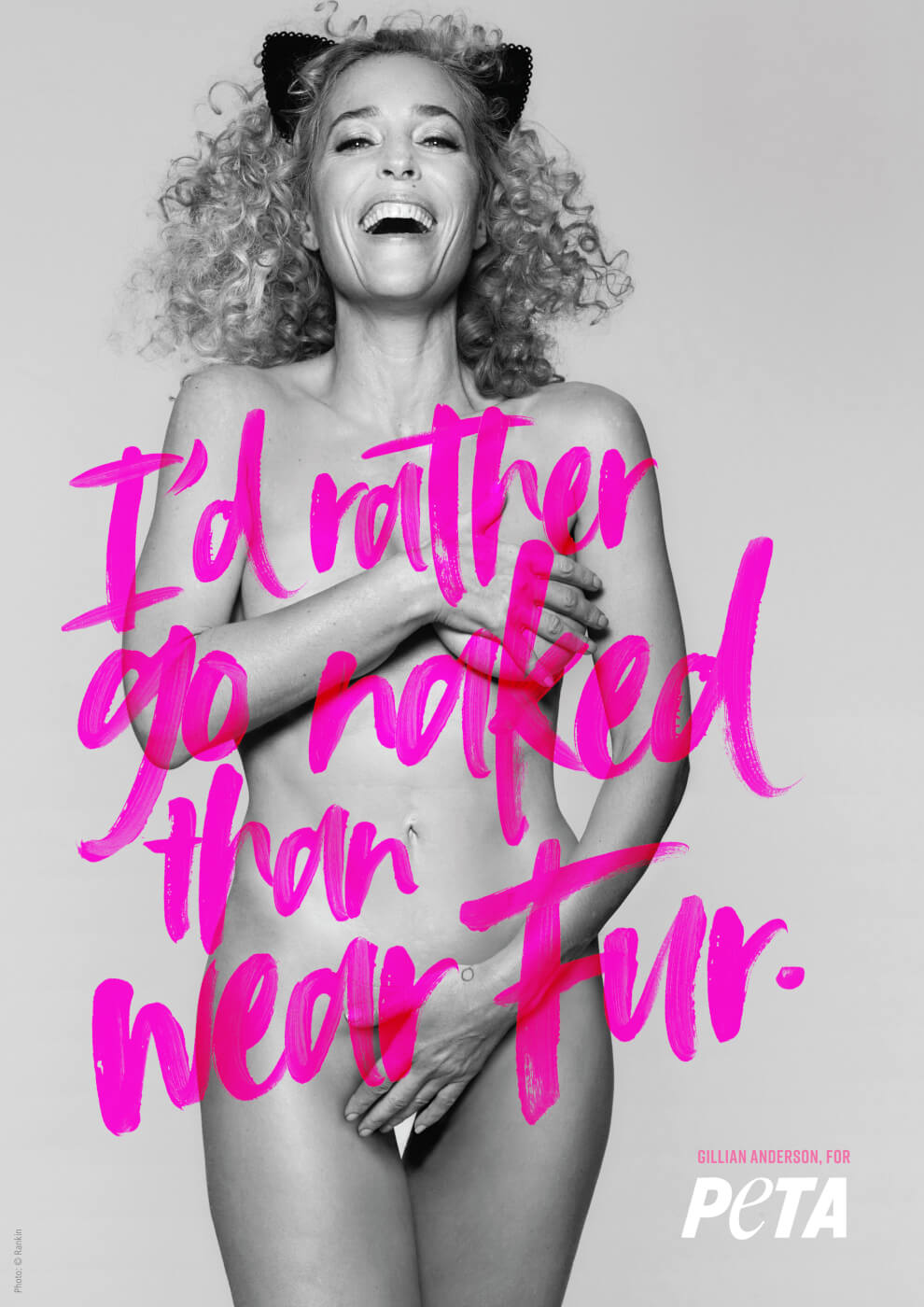
There are few things more guaranteed to grab attention than celebrity nudity, and PETA deployed this strategy relentlessly for three decades. From supermodels to actors, the message was simple: being naked is less shameful than wearing fur. Whether you found it empowering or exploitative, it undeniably kept the conversation alive.
Hope is a marketing, creative and branding agency for charities and other social-purpose organisations. The Ideas Lab examines what makes effective (or ineffective) communications for these causes, charities and social-impact businesses.


Cause & Effect: Rebecca Munro
Rebecca Munro is Executive Director, Fundraising & Communications for the RSPB (The Royal Society... Read more

The alien in your microwave
Did you ever see the film, The Dish? It starred Sam Neill and was... Read more

Why did GDPR discriminate against charities?
This morning, the whole nation breathed a humongous sigh of relief: no more junk... Read more